Sabbath Bloody Sabbath

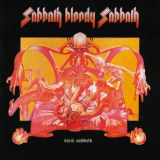
What does a band with a string of successful albums do for their next release? First, they blow most of the advance money from the label on drugs and booze. THEN they hit the studio, with whatever is left, and start trying to build on that initial success while experimenting with new sounds with the idea of making a big statement. Black Sabbath's fifth album, Sabbath Bloody Sabbath contains many of the Doom Metal roots that made the band famous. From the well known title track to more obscure, but no less awesome "A National Acrobat" and "Sabra Cadabra," Black Sabbath showed they were still the masters of Doom and the heaviest band around. Iommi's guitar and Butler's bass are down-tuned behemoths, creating riffs that rattle the dishes.
The biggest change was in the production. Given ample studio time (and money) Sabbath Bloody Sabbath turned out to be Black Sabbath's slickest, smoothest and, as a result, most accessible, album to that point in the band's career. Stings, keyboards and loads of effects were used throughout, most notably on Ozzy's voice, which had a lot of help this time around. The album is still heavy but in more of a Heavy Rock vein. The upbeat melody of "Looking for Today" and the spacey keyboards of "Spiral Architect" were two of the more obvious examples of this trend. The downright happy instrumental, "Fluff," that seems to go on several minutes longer than it should, still struggles to find a place in the Black Sabbath canon. On the other hand, Sabbath Bloody Sabbath featured "Who Are You?," what may be Black Sabbath's slowest, heaviest song since the title track on the debut. And it was done with Moog pedals instead of guitar.
Sabbath Bloody Sabbath is a very good Black Sabbath album, despite the experimentation with new sounds and melodies. It doesn't hit you over the head like some of the previous albums but if you look past the spit and polish production and trippy, existential lyrics, quality Doom Metal awaits.